Most drivers have heard a story about a repair bill that doubled overnight or a part replaced that never needed it. Learning how to avoid auto repair scams can seem like a matter of suspicion, treating every mechanic as a likely thief. That approach is tiring and unfair to the many honest shops, and it does not work very well.
A better approach is to rely on process. Consumer protection agencies have described the tools for years. Get the work described in writing, approve every change, ask for the old parts and keep the invoice. These habits protect you from the rare dishonest shop and from the more common problem of a misunderstanding about what was agreed.
We should say where we stand. American Business Recognition scores US businesses using public Google ratings and review counts, and many of the businesses we recognize are auto repair shops. We also sell optional promotional packages to businesses, so keep that interest in mind. We are not attorneys, and this guide is general information rather than legal advice.
Our position is that clear paperwork makes both scams and disputes rare. A good shop is glad to put its plan in writing. A shop that resists is telling you something important.
Below we cover what overcharging usually looks like, the protections in estimates and authorization, your right to see old parts, how to judge a recommendation, how to get a second opinion and what to do when something goes wrong.
What Overcharging Usually Looks Like
Outright fraud, such as charging for work never done, does happen, but most disputes at repair counters come from murkier situations. Knowing the common patterns helps you spot them early.
Work done without approval. A car goes in for brakes and comes back with a bill that includes a new battery, a fluid service and a cabin filter nobody discussed.
Low price, high final bill. An advertised special gets the car into the bay, then additional items appear once it is on the lift.
Urgency without evidence. The customer hears that a part is dangerous to drive on, without being shown the problem.
Services ahead of schedule. Fluid flushes, filter changes and other services are sold far earlier than the owner's manual recommends.
Unclear parts. Used or rebuilt parts appear on the bill without being described as such, or the invoice is too vague to tell what was installed.
Some of these come from honest differences of opinion. A technician may genuinely believe a part should be replaced early. The protections below work in either case, because they bring the decision back to you, with the facts in front of you.
Written Estimates and Clear Authorization
The written estimate is your strongest tool. The FTC's auto repair guide advises that an estimate should identify the condition to be repaired, the parts needed and the anticipated labor charge. It also advises that the estimate say the shop will contact you for approval before doing any work that exceeds a specified amount of time or money. Get a signed copy.
Some states put these protections into law. California's Bureau of Automotive Repair says the shop must give you an estimate showing the expected cost, and that you must authorize the repairs before work begins. If the shop finds more problems after starting, it must contact you, and you must approve any additional repairs. Approval can be given in writing, orally or electronically, such as by text or email.
Even where your state law is less detailed, you can ask for the same protections. These habits help.
- Never sign a blank or incomplete work order.
- Write a dollar limit on the work order, such as "call before exceeding $300."
- Ask that any additional work be approved by text or email, so you have a record.
- Read the estimate before you leave the counter, and ask about any line you do not understand.
Check the final invoice against the estimate before you pay. BAR says California shops must provide an itemized invoice listing the repairs, the parts and whether any of them are used, reconditioned or rebuilt, along with total parts and labor. Ask the same of a shop anywhere. If a line on the invoice was never on the estimate or in an approval, raise it at the counter while everyone still remembers the details.
If the shop needs to take something apart to find the problem, ask about the charge for that first. BAR notes there may be a teardown charge even if you decide not to go ahead with the repair.
Your Right to See the Old Parts
Asking for your replaced parts is one of the simplest checks available. The FTC suggests asking for them, and notes that state law may require the shop to return them.
In California, BAR says you can ask the shop to return any parts they replaced and that you should ask before you approve the repairs. Some parts must be returned to the supplier under warranty or as cores for rebuilding. In that case, you may not be able to keep them, but you can ask to see them.
Make the request at the start, not at pickup. Write it on the work order, or say it when you approve the estimate. A shop that knows you will see the old parts has every reason to replace only what is actually worn or broken.
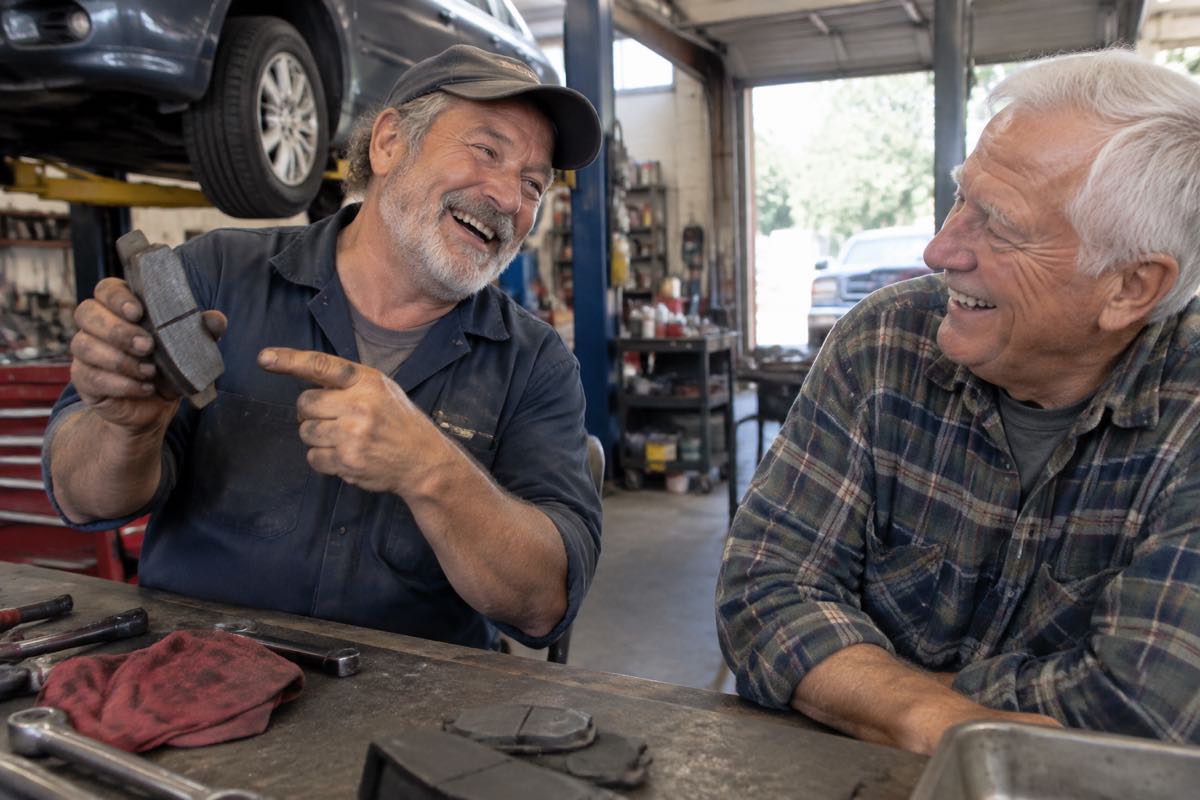
Seeing a part is most useful when someone explains it. Ask the technician to point out the wear or damage. A brake pad worn to its metal backing, a cracked belt or a leaking hose is easy to understand once it is in front of you.
How to Judge a Repair Recommendation
When a shop recommends work, sort it into three groups before you decide.
Needed now for safety. Worn-out brakes, a tire with a bulge, a leaking brake line. These deserve prompt attention, and a good shop will show you the evidence.
Needed soon. A component wearing toward the end of its life, such as brake pads with some material left or a slightly seeping gasket. You can usually plan for these and compare prices.
Optional or preventive. Services that may be reasonable but are not urgent. Compare these with the maintenance schedule in your owner's manual. If the manual does not call for a fluid flush at your mileage, ask why the shop recommends one.
Ask direct questions. What happens if I wait a month? Can you show me? What does the manual say? An honest technician will answer without pressure and will often tell you which items can wait. That is usually a good sign.
Watch for pressure tactics instead of evidence. Statements such as "I would not let my family drive this" can be sincere, but they should come with a visible reason. If you are told the car is unsafe, ask the shop to note that on the written estimate.
Getting a Second Opinion Without Drama
A second opinion is normal for large repairs, and good shops understand it. The goal is to confirm the diagnosis, not to accuse anyone.
Bring the first shop's written estimate. It gives the second shop a starting point and lets you compare like for like. Ask the second shop to do its own inspection rather than simply quoting the same list.
Expect to pay for diagnosis at the second shop as well. That cost is often small compared with a major repair, and it buys real information.
Compare the two estimates line by line. Look at the diagnosis, the parts and their type, labor hours and warranty terms. A large difference in price often comes from different parts or a different view of what is needed. Ask each shop to explain the difference.
Choose the shop that explained its findings clearly. It may not be the cheapest. Our guide on how to choose an auto repair shop covers the credentials and habits that matter most.
What to Do When Something Goes Wrong
If you believe you were overcharged or the work was not done properly, follow a calm sequence.
- Gather your documents. Collect the estimate, the approvals, the final invoice and any photos or old parts.
- Talk to the manager or owner. Explain the problem with specifics and ask for a fair solution. Many disputes end here.
- Put it in writing. If talking does not work, send a short letter or email with the facts and what you are asking for.
- Contact the authority in your state. The FTC suggests your state Attorney General or local consumer protection agency, which may know of dispute resolution programs. In California, BAR accepts complaints and says it will look into the issue and help mediate a resolution.
- Consider small claims court. The FTC notes you do not need an attorney there.
If you paid by credit card, your card issuer may also have a dispute process for charges that were not authorized. Check the terms and deadlines with your card company.
Leave an honest review once the matter is settled, describing what happened in factual terms. That helps the next customer, and our guide on how to spot fake reviews explains why detailed reviews carry more weight with readers.
Where Repair Transparency Is Heading
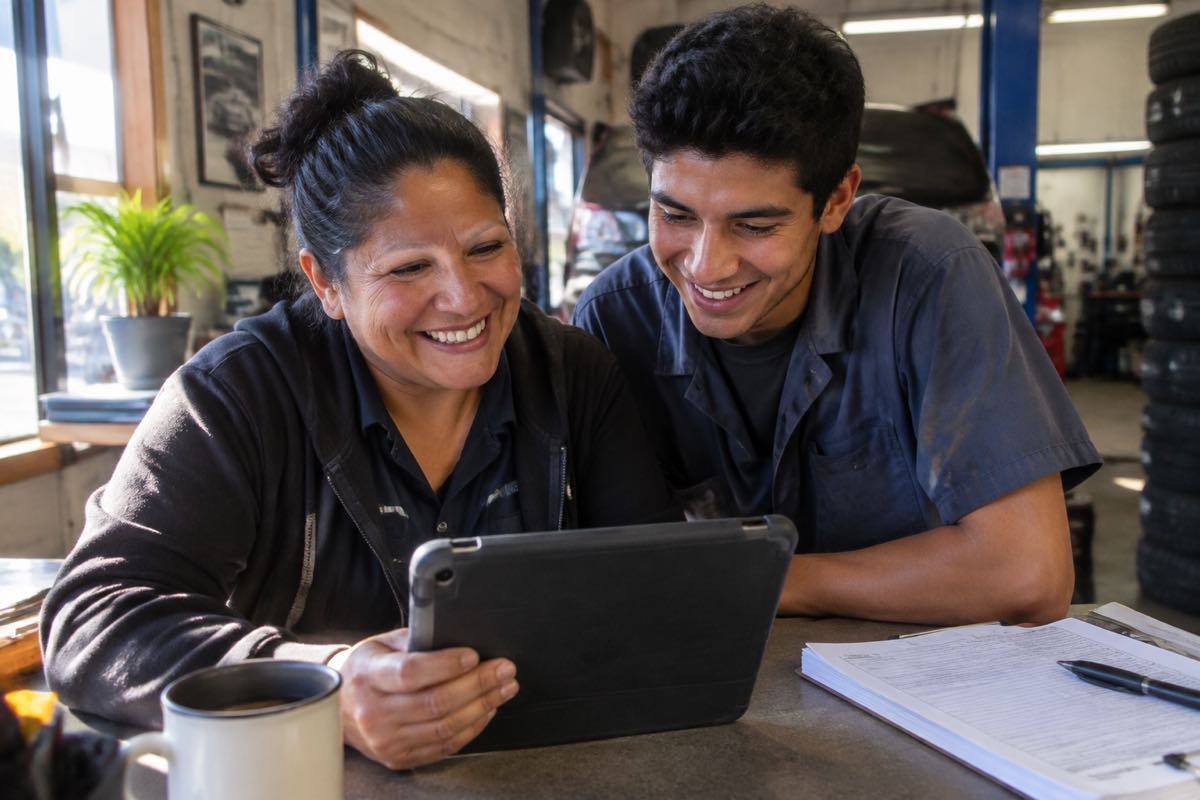
Repair shops increasingly use digital inspections. Technicians send photos and short videos of worn parts directly to customers' phones, along with an estimate to approve. Many drivers now approve repairs by tapping a button rather than taking a phone call.
We think this is good for honest shops and bad for dishonest ones. A photo of a cracked belt is hard to argue with, and a digital approval leaves a clear record for both sides.
The risk is that convenience replaces attention. A long list of recommendations is easy to approve with one tap. Read each line, ask about anything unclear and approve only what you understand. The tools change, but the protection is still the same habit of reading and approving each item.
Avoiding Auto Repair Scams in Brief
Avoiding auto repair scams does not require distrust of every mechanic. It requires a few steady habits. Get a written estimate that describes the work, parts and labor. Set a limit and approve every change, preferably in writing. Ask for your old parts at the start. Compare recommendations with your owner's manual and ask to see the evidence.
When something feels wrong, get a second opinion with the first estimate in hand. If a dispute arises, talk to the owner first, then use your state's consumer protection channels or small claims court.
Our opening view holds. Clear paperwork makes scams rare and honest disagreements easy to settle, and good shops welcome it.
When you need a shop, our industry directory lists auto repair businesses with their public Google ratings and review counts. A high rating is a useful first filter, but neither it nor our recognition proves honesty, so watch how a shop handles estimates and approvals before you commit.
Questions About Auto Repair Scams
Can a shop charge me for work I did not approve?
Rules vary by state. In California, BAR says you must authorize repairs before work begins and approve any additional repairs. The FTC advises getting an estimate that says the shop will contact you before exceeding a set amount.
Do I have the right to my old parts?
Many states give you that right. The FTC notes state law may require shops to return replaced parts. Ask before work starts. Some parts go back to suppliers, but you can usually ask to see them.
How do I know if a repair is really needed?
Ask the shop to show you the problem and explain what happens if you wait. Compare service recommendations with your owner's manual. For large repairs, get a second opinion.
Is a diagnostic or teardown fee a scam?
Not by itself. Finding a problem takes time and tools. BAR notes a teardown may be charged even if you decline the repair. Ask for the price before work begins.
Where can I complain about an auto repair shop?
Start with the shop's owner or manager. Then contact your state Attorney General or local consumer protection agency. Some states, such as California, have a dedicated auto repair bureau.
Should I always choose the cheapest estimate?
Not always. Compare the diagnosis, parts type, labor and warranty. A cheaper estimate may use different parts or leave out work. Choose the shop that explains its findings clearly.
Does an ABR award prove a shop is honest?
No. Our recognition reflects public Google ratings and review counts. It does not audit billing practices. Use written estimates and approvals with every shop.
This article is general information and is not legal advice.